Deep-ACTINet: End-to-End Deep Learning Architecture for Automatic Sleep-Wake Detection Using Wrist Actigraphy
Abstract
Sleep scoring is the first step for diagnosing sleep disorders. A variety of chronic diseases related to sleep disorders could be identified using sleep-state estimation. This paper presents an end-to-end deep learning architecture using wrist actigraphy, called Deep-ACTINet, for automatic sleep-wake detection using only noise canceled raw activity signals recorded during sleep and without a feature engineering method. As a benchmark test, the proposed Deep-ACTINet is compared with two conventional fixed model based sleep-wake scoring algorithms and four feature engineering based machine learning algorithms. The datasets were recorded from 10 subjects using three-axis accelerometer wristband sensors for eight hours in bed. The sleep recordings were analyzed using Deep-ACTINet and conventional approaches, and the suggested end-to-end deep learning model gained the highest accuracy of 89.65%, recall of 92.99%, and precision of 92.09% on average. These values were approximately 4.74% and 4.05% higher than those for the traditional model based and feature based machine learning algorithms, respectively. In addition, the neuron outputs of Deep-ACTINet contained the most significant information for separating the asleep and awake states, which was demonstrated by their high correlations with conventional significant features. Deep-ACTINet was designed to be a general model and thus has the potential to replace current actigraphy algorithms equipped in wristband wearable devices.
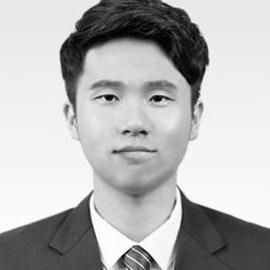
Taeheum Cho
Researcher, Modnbio
His research interests include Internet of Things and machine learning algorithms.
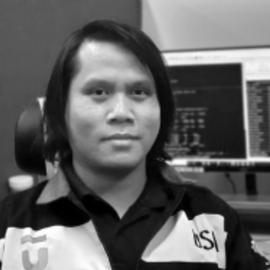
Unang Sunarya
Researcher, Telkom University
My research interests include signal processing and electronic engineering.
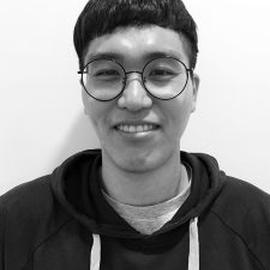
Minsoo Yeo
Software Engineer, DRAX, Department of Technology Research Center
His research interests include biomedical signal processing and embedded software.
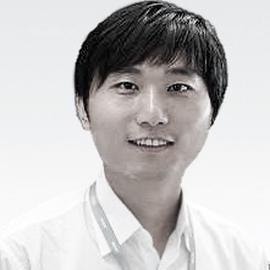
Cheolsoo Park
Professor
His research interests include machine learning, adaptive signal processing, computational neuroscience, and wearable technology.